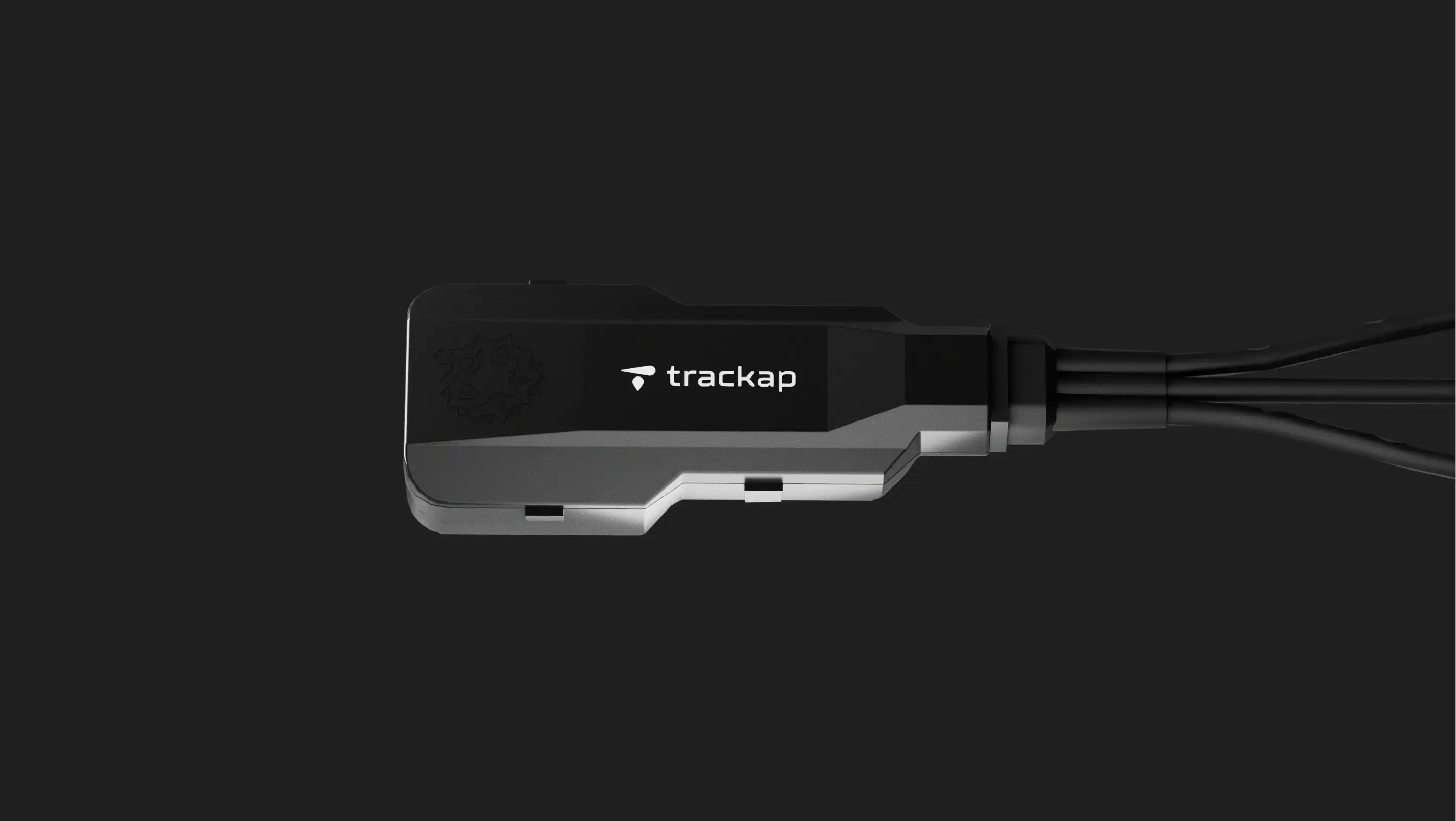

The role of connectivity in software-defined electric bikes
As electric bikes evolve intosoftware-defined vehicles, connectivity is shifting from being a nice-to-have to a core product feature. Real-time theft tracking, remote diagnostics, predictive maintenance, and over-the-air (OTA) updates all depend on one thing: a reliable, flexible, and future-proof cellular connection.
NB-IoT and LTE-M are often presented as competing LPWAN (Low Power Wide Area Network) standards, but the reality on the road, and even more so underground, is much more nuanced. Each excels in different environments, and the smartest systems don't choose one over the other. They use both, dynamically.
.webp)
Mobility and Handover: Where LTE-M Takes the Lead
Let's start with the most critical requirement for a moving asset: not losing connection when changing cells. LTE-M is designed for movement. It offers seamlesshandover between towers, maintains stable sessions at speeds of up to ~300 km/h, and ensures continuous telemetry in dense urban environments. This makes it ideal for live tracking, flight scenarios, or fleet operations.
NB-IoT, on the other hand, is designed for immobility. It was built for static sensors such as water meters and does not support seamless handover. Instead, it must disconnect and re-register, a process that can take between 1.6 and 10 seconds. When tracking electric bikes, 10 seconds of silence can be enough to lose track of a bike over an entire city block.
Signal penetration: Where NB-IoT wins
But here's the nuance: electric bikes don't spend their entire lives moving quickly between cell towers. They also sleep in basements, underground garages, warehouses, and other metal-dense urban spaces. That's where NB-IoT'sdeep indoor coverage becomes unmatched. NB-IoT can reach places where LTE-M fails, which is exactly why relying solely on LTE-M is becoming a limitation for manufacturers (OEMs).
FOTA and Latency: The backbone of software mobility
Modern electric bikes rely heavily on over-the-air firmware updates (FOTA) to evolve after purchase. NB-IoT provides adownlink speed of approximately ~127 kbps and has a latency measured in seconds. Although it offers excellent energy efficiency, it becomes too slow for firmware packages of several megabytes.
LTE-M, on the other hand, supports speeds of up to ~1 Mbps with a latency of around 10–15 ms. This makes it ideal for fast and reliable firmware updates. But again, if the bike is parked in the basement, even the fastest protocol won't help if the signal can't reach it. This is where Peppino's dual-mode approach becomes essential.
The Trackap approach: The intelligent dual-mode LPWAN
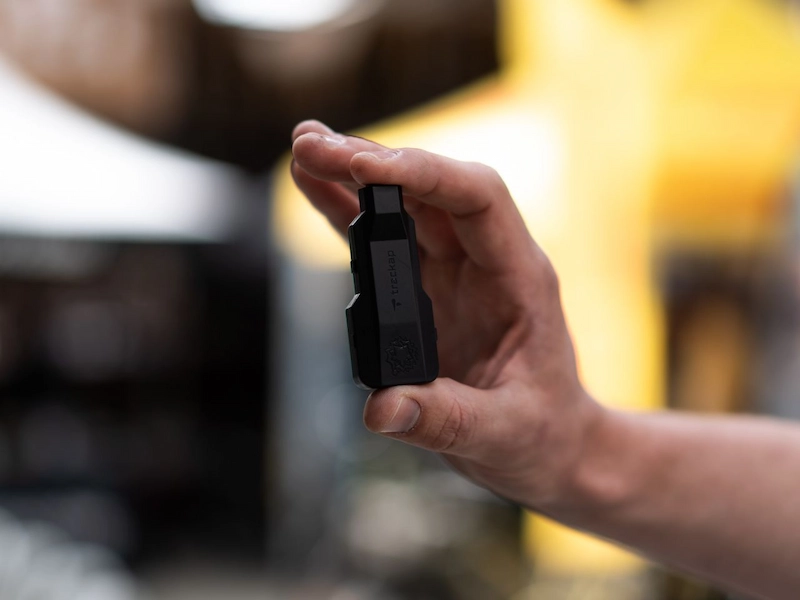
Instead of forcing OEMs to choose between coverage and mobility, Trackap designed Peppino to offer both automatically. Outdoors or on the move, it switches to LTE-M for real-time tracking, smooth transfers, fast FOTA updates, and instant commands. Indoors or in areas with low coverage, it switches to NB-IoT for better penetration, reduced power consumption, and stable connectivity.
Deep system integration: Telemetry that matters and why OEMs choose Trackap
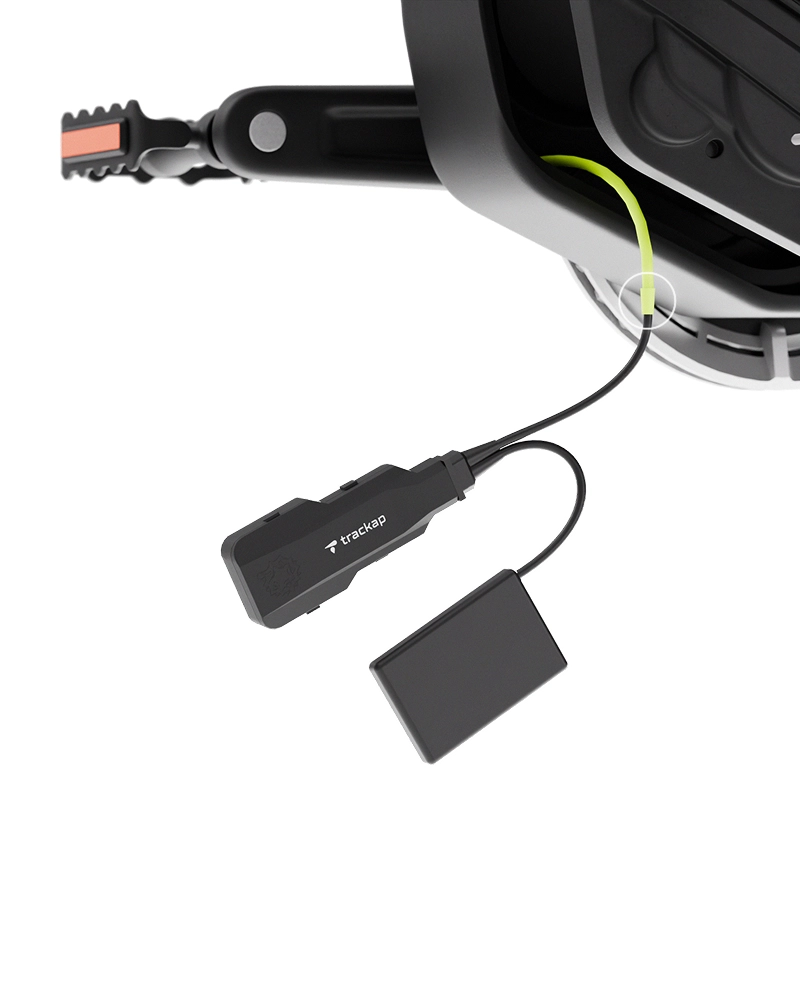
The Peppino is more than just a tracker; it acts as a completegateway for electric bikes with native access to the CAN bus on the main motor systems.
As a Shimano Connected Partner, it integrates directly with EP6 and EP801 motors, and also supports Bafang, Yamaha, Bosch, and Ananda. This allows it to provide essential telemetry such as battery health status (SOH), motor temperature, assistance modes, error codes, immobilization commands, and usage patterns, all transmitted via the strongest LPWAN link at that moment.
For OEMs, this unique blend of deep system integration and smart dual-mode LTE-M/NB-IoT connectivity offers a reliable, future-proof solution that works anywhere and keeps the bike connected at all times.
Conclusion
In the past, manufacturers had to choose between LTE-M and NB-IoT. Today's high-end e-bikes need both: mobility and coverage, real-time tracking and indoor range, fast firmware and low power consumption. Peppino offers this balance.
It intelligently utilizes both technologies, ensuring that your e-bikes never lose connection, never disappear, and never stop evolving.
Lost?
Never again.
“The stock market is a device to transfer money from the impatient to the patient.”
The Importance of Regular Review and Adjustments
Investing is not a "set it and forget it" endeavor. Regularly review your portfolio to ensure it aligns with your financial goals. Adjustments may be necessary based on changes in your objectives, market conditions, or the performance of individual investments.